
You Can Only Perform As Good As You Can Recover
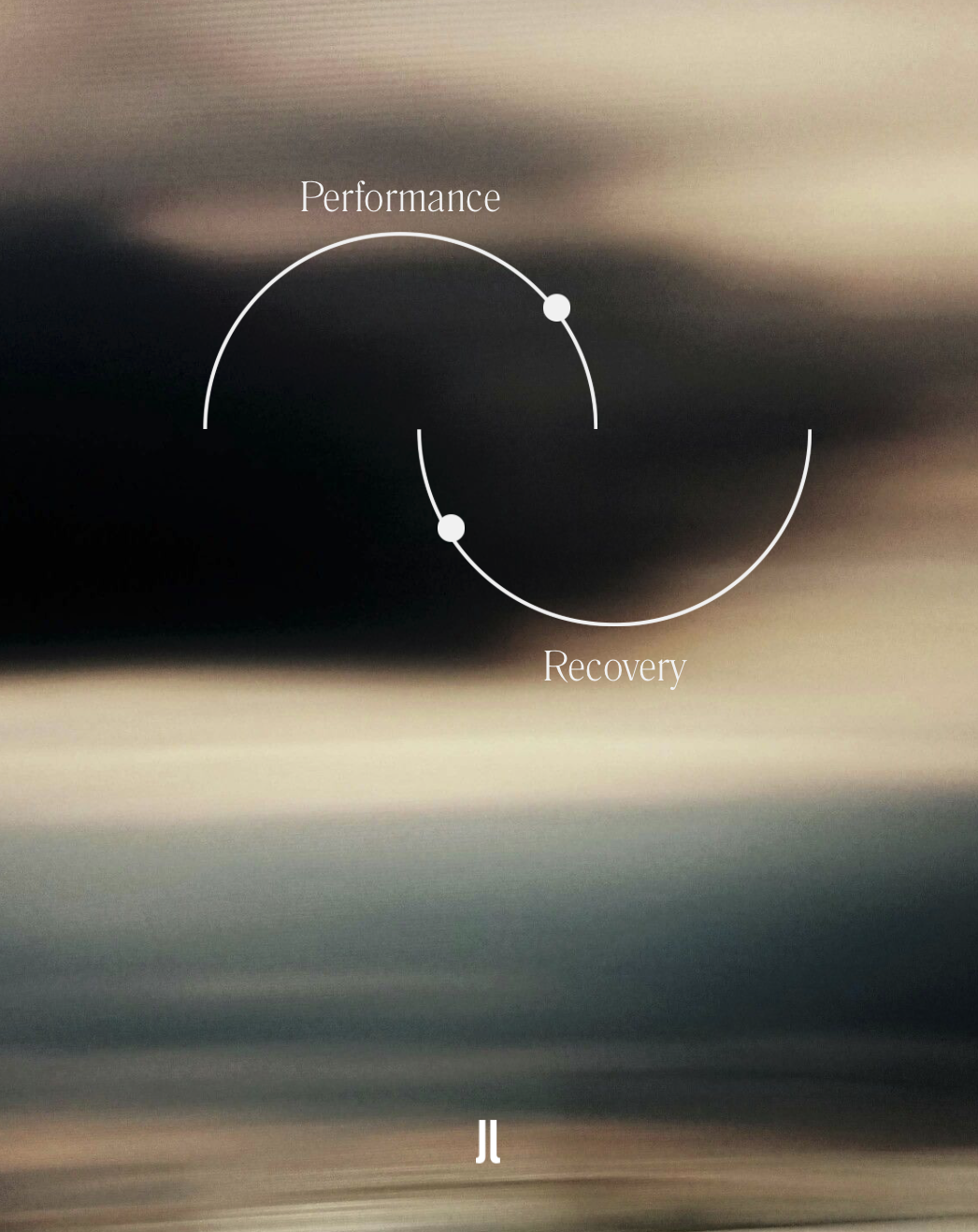
We live in a high-performance world. More is better. Faster is better.
But what if success does not come from doing more, but from recovering better?
Jürgen Klopp recently said in an interview, ‘The path to better doesn’t start with being the best — it starts with being your best.’
So what does that mean in practice?
It means performing at your peak when it matters most — and being able to do it again and again. Because performance without recovery is intensity without adaptation.
Progress Happens When You Pause
Progress and growth do not happen when the light is green and we are racing through the crossroads. They happen when it turns red — when we stop, reflect, and choose a new direction.
As Matthew McConaughey writes in Greenlights, it’s the pauses, struggles, and detours that shape us most. If things always work out, we never change. And if we don’t change, we don’t grow.
German tennis player Andrea Petković realized the same thing at the end of her career: reaching the top was one thing; staying there required adaptation.
Adaptation means reflection. It means knowing when to push, when to rest, and when to reset. That's why it's often easier to get to the top than it is to stay there.
Performance is Only as Good as Recovery
When we think of peak performance, we imagine harder training, longer hours, sharper focus. But the truth is simple — you can only perform as well as you recover.
This is especially true for young athletes today, who face rising demands and training loads during phases when their bodies are still developing. 70% of kids drop out of youth sports by age 13 — often because the load exceeds their body’s ability to adapt.
Every time you train, compete, or focus deeply, your nervous system switches into fight or flight. That’s essential for performance — but it is only half the equation.
Real growth happens in the recovery phase, when you give your body time to repair what performance demanded.
During recovery, the parasympathetic nervous system (‘rest’) switches on. This is when:
Muscles repair and strengthen
Mitochondria rebuild energy stores
Hormones like serotonin and melatonin rebalance
Heart rate variability (HRV) rises — a key marker of resilience
Recovery is not passive — it is where the real work settles in. Yet we often treat it reactively, stopping only when pain or exhaustion forces us.
It’s the same in startups: we spend most of our time extinguishing fires instead of preventing them. Growth eats stability.
Redefining Recovery as Training
Recovery is not the absence of work — it is a training zone of its own.
Each recovery session builds resilience, capacity, and clarity.
If you use a health tracker, you already know the key signals: sleep score, resting heart rate, HRV, and respiratory rate.
They aren’t just numbers; they’re your recovery story — a mirror of how well your body bounces back from stress.
The goal is not to reduce stress at all costs. In fact, stress can be a motivator — a catalyst for growth. The art lies in knowing when to push and when to recharge.
The Cost of Ignoring Recovery
When we neglect recovery, we rob our nervous system of flexibility. We slip into chronic stress. Metabolism slows. Eventually, we burn out — or get injured, where our body forces us to rest.
It’s like driving an engine in overdrive for too long — it may run fast for a while, but it will break down sooner. The result: fatigue, illness, accelerated aging, and loss of performance.
The paradox? True high performance begins with slowing down — long before the body forces you to.
By Marla Hansen, Founder of WellBreathing, with the mission to transform how the world breathes
